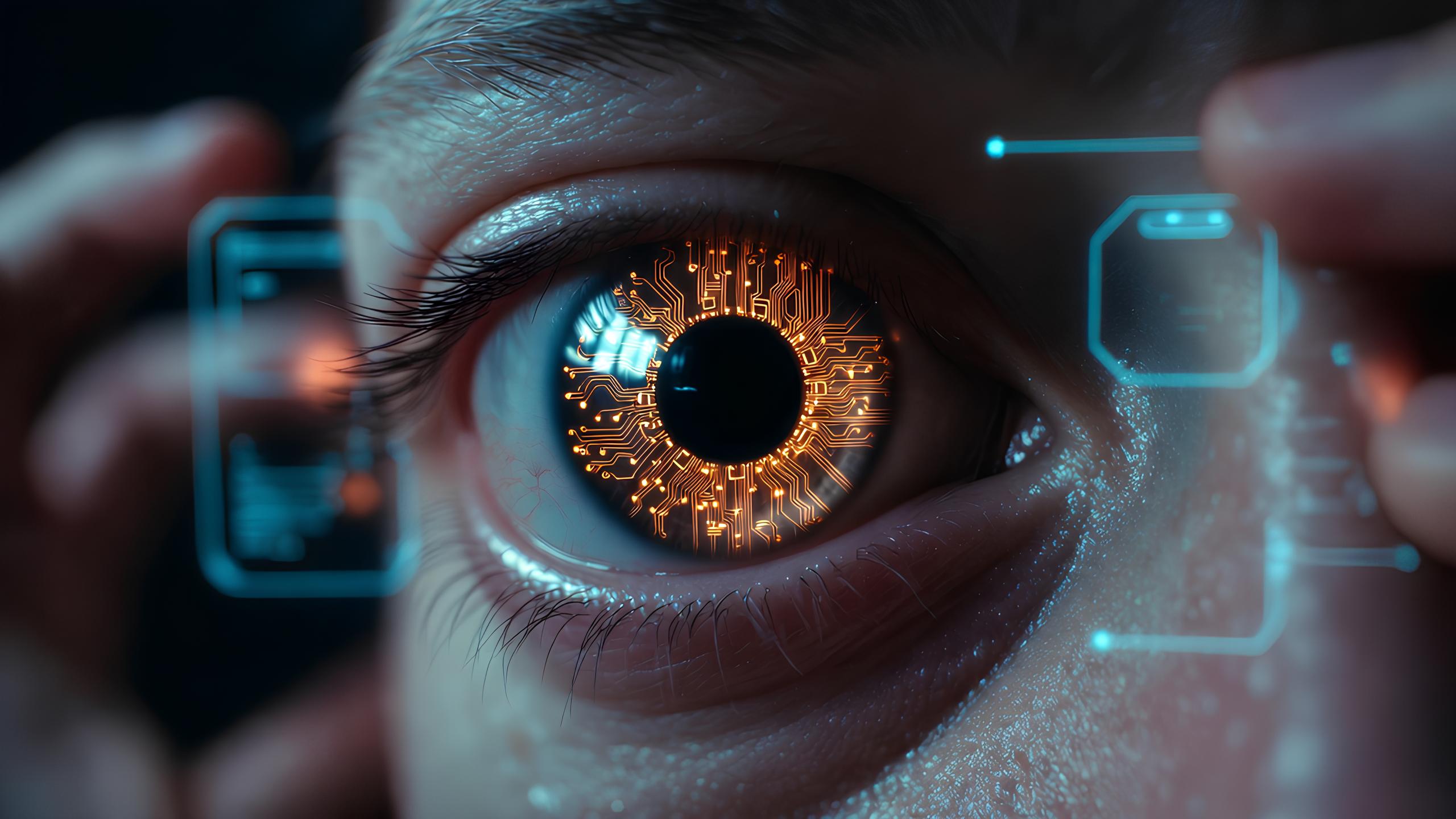
In 2026, we’ve reached a strange peak in human history: we trust a line of code more than our own “gut feeling.” If you’ve ever ignored a “shortcut” your brain suggested because Google Maps insisted the long way was three minutes faster, you’re part of the 2026 trust revolution.
But why are we sidelining thousands of years of human evolution for an algorithm? It turns out, our brains are a bit too “human” for the modern world.
Read Also: Your AI Knows You’re Quitting Before Your Boss Does, and It’s Starting to Tell
The Death of the “Gut Feeling”
For centuries, intuition was our superpower. It’s what told ancestors to run from a rustling bush. But in 2026, the “bush” is a complex global stock market or a medical diagnosis, and our guts aren’t great at math.
Research shows that human intuition is often just a collection of cognitive biases. We play favorites, we get tired, and we let a bad cup of coffee ruin our judgment. Algorithms, however, don’t have “off days.” They don’t need caffeine, and they definitely don’t care if you remind them of their annoying cousin. This perceived objectivity is the primary reason why 62% of professionals now report higher trust in AI than they did just a year ago.
Speed: Because We’re Impatient
Let’s be honest: humans are slow. In the time it takes a doctor to read your chart, an AI has already compared your symptoms against 10 million similar cases.
In sectors like cybersecurity and finance, human intuition is literally too slow to keep up. AI-driven threat detection now neutralizes attacks in milliseconds—long before a human could even click “Refresh.” We trust the machine because it’s already finished the job while we’re still looking for our glasses.
Read Also: Is AI Hallucinating or simply talking to something we can’t see?
The “Algorithm Appreciation” Effect
There’s a psychological phenomenon called Algorithm Appreciation. Studies from 2025 and 2026 indicate that people are more likely to follow advice if they believe it came from a computer, even if the advice is identical to a human’s.+1
Why? Because we view AI as a “clean” source of truth. We know humans have hidden agendas (like a salesperson wanting a commission). We assume the algorithm is just “stating the facts,” even if those facts are actually encoded with the same human biases used to train them.
Personalization Over Generalization
In 2026, “one size fits all” is dead. Whether you’re buying a luxury home or looking for a workout plan, AI knows you better than your best friend does.
- Real Estate: AI platforms now improve buyer relevance by 40-50% by crunching data on your lifestyle and historical price trends.
- Customer Service: 85% of consumers now believe “memory-rich” AI is essential for a personalized journey.
We trust the algorithm because it remembers we hate the color lime green and that we’re allergic to peanuts things a human expert might forget on a busy Tuesday.
Read Also: Is AI Creating Its Own Religion? A Serious Question for 2026
AI vs. Human Intuition: At a Glance
| Feature | Human Intuition | AI Algorithm |
| Speed | Slow (seconds to minutes) | Instant (milliseconds) |
| Consistency | Changes based on mood/tiredness | Always the same |
| Data Capacity | Limited to personal experience | Can analyze millions of cases |
| Bias | Influenced by feelings/prejudice | Influenced by the data it was fed |
| Best Use Case | Creative thinking & ethics | Pattern finding & math |
The Reality Check
While we’re leaning heavily on AI, 2026 is also teaching us a hard lesson: Blind trust is a trap. As the “godfather of AI,” Geoffrey Hinton, and other industry leaders have noted, AI is a tool of augmentation, not a total replacement for judgment. The smartest people in 2026 aren’t the ones who ignore their intuition; they’re the ones who use AI to verify it.
Pro Tip: The next time your AI tells you to take a left turn into a lake, maybe let that human intuition kick back in for a second.
2 thoughts on “Why we trust AI more than Human intuition in 2026”